Madison County Locksmith Service Team
Local locksmith team
Mar 20, 2026 10 min read
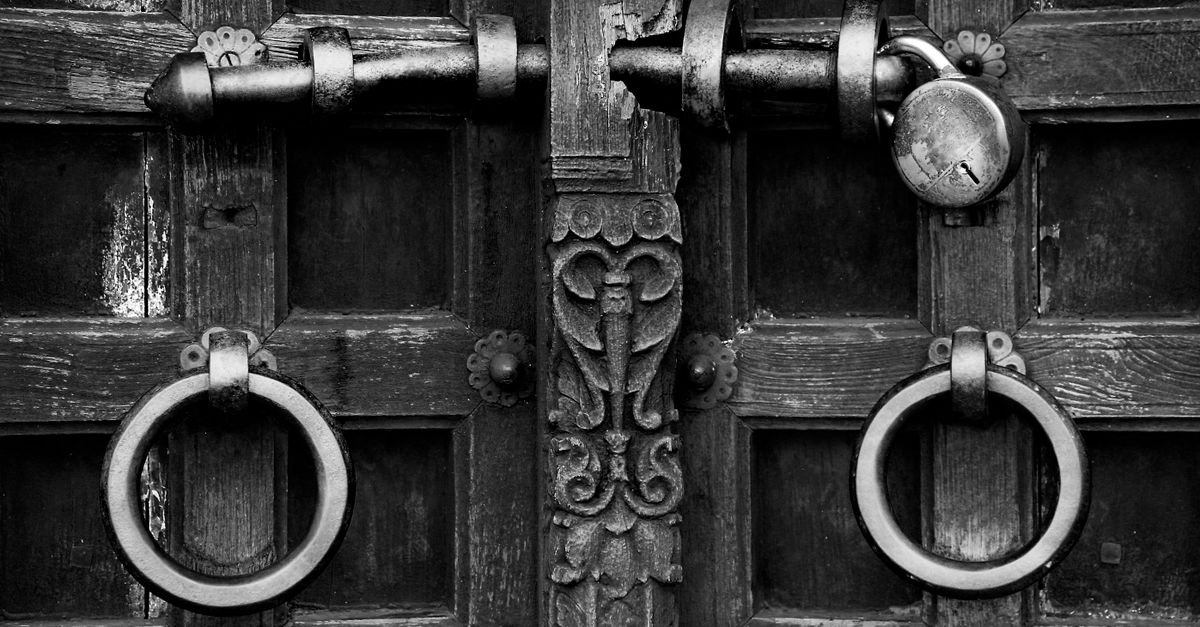
If you've ever pulled open the door of an older home on South Main Street or stepped into a decades-old storefront on London's downtown square, you may have noticed that the lock hardware looks a little different — heavier, more recessed, almost built into the door itself. That's a mortise lock, and it's far more common in Madison County than most people realize. Understanding what it is, how it works, and when to upgrade or repair it can save you time, money, and a lot of frustration.
At Madison County Locksmith, we're a 24/7 mobile locksmith team serving London, OH and the surrounding area. Mortise lock installation, repair, and rekeying make up a meaningful slice of our daily work — on everything from Victorian-era farmhouses to older brick storefronts that have been part of this community for generations. This guide will walk you through exactly what a mortise lock is, how it compares to the cylindrical and knob locks you're probably more familiar with, and how to figure out whether it's the right fit for your door.
## What Is a Mortise Lock — and How Does It Actually Work?
A mortise lock is a type of lock that installs inside a deep rectangular pocket — called a mortise — cut directly into the edge of a door. Unlike a standard cylindrical lock (the kind you'll find on most modern interior doors), a mortise lock houses its entire latch and deadbolt mechanism inside that pocket. The result is a single, integrated lock body that controls both the latch and the deadbolt with one elegant piece of hardware. The trim on the face of the door — the handles, the escutcheon plate, the keyhole — is separate from the lock body itself, which gives mortise hardware its distinctive, layered look.
From a mechanical standpoint, a mortise lock operates through a mortise lock cylinder that protrudes through the escutcheon and engages the lock body when you turn a key or thumb turn. Many systems also include a separate lever or knob trim that operates the latch independently of the key cylinder. This separation of functions is one reason mortise locks are so durable: if the cylinder wears out, a skilled locksmith can replace just that component without touching the lock body. Brands like Baldwin mortise lock sets and Corbin Russwin mortise lock systems have been industry standards for commercial and high-end residential applications for well over a century, and their hardware is still found on doors throughout older Madison County buildings precisely because the underlying mechanisms last so long when properly maintained.
## Mortise Locks vs. Cylindrical Locks vs. Door Knob Locks: The Real Differences
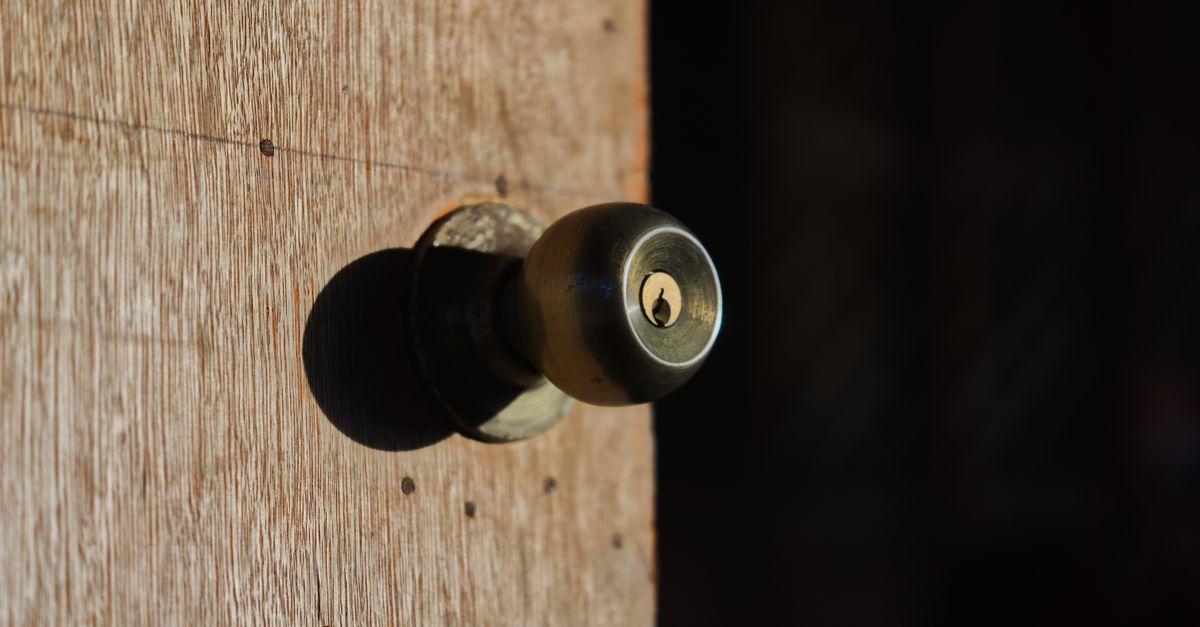
Most modern homes built in the last 30–40 years use cylindrical locks or a simple door knob with lock and key — the kind where the entire locking mechanism fits through a standard bored hole in the door face. These are quick to install, widely available at any hardware store, and perfectly adequate for many residential applications. The trade-off is that they rely on thinner door material for support and typically offer a single locking point. A standard knob lock in particular is vulnerable to certain types of forced entry simply because the knob itself can be the point of failure.
Mortise locks sit in a different category. Because the lock body is recessed deep into the door, it draws strength from the door's full thickness rather than just the face. The strike plate on the frame is typically more robust as well, and the combination of a latch, deadbolt, and sometimes an anti-pick pin in a single integrated body makes forced entry significantly more difficult. For a mortise lock set on an exterior door — a front entry, a back door, or a commercial storefront — this matters. The additional security comes with a higher initial hardware cost and a more involved installation process, which is why professional installation is strongly recommended. Retrofitting a mortise lock into a door that wasn't built for one requires precise carpentry as well as locksmith expertise.
## Why London, OH Homes and Storefronts Often Have Mortise Locks
London, Ohio was established in 1811, and like most county seats of its age, it accumulated a significant stock of older commercial and residential buildings well before cylindrical bored locks became the industry standard in the mid-20th century. If your home was built before roughly 1960 — and many in the areas around Elm Street, Oak Street, and the older residential neighborhoods north of the downtown square were — there's a real chance the original door prep was cut for a mortise lock body. Replacing the entire door and frame just to accommodate modern hardware often isn't necessary or cost-effective. Repairing, rekeying, or upgrading the existing mortise lock set is frequently the smarter move.
For business owners on or near the square, older brick storefronts present a similar situation. Heavy commercial mortise hardware from manufacturers like Corbin Russwin was installed in many of these buildings during the mid-century era and, with proper maintenance, can still function reliably today. When it doesn't — when a key breaks off in the cylinder, when the lock body seizes up in cold weather, or when a business changes hands and rekeying is needed — that's exactly the kind of call our commercial locksmith team handles on a regular basis. We carry the tooling and the parts inventory to service these systems in the field, without requiring you to wait on a specialty order.
## Mortise Lock Repair, Rekeying, and Replacement: When to Call a Professional Locksmith
Mortise locks are built to last, but they do require occasional service. The most common issues we see in London-area properties include worn-out mortise lock cylinders that make the key difficult to turn, latch bolts that no longer retract smoothly (often a lubrication or alignment issue), and deadbolts that have become stiff due to years of use and seasonal wood movement in older door frames. In many cases, a thorough cleaning, a shot of dry lubricant, and a minor adjustment to the strike plate is all it takes to restore smooth operation — no new hardware required. If you're having trouble with a lock and you're not sure whether it needs repair or replacement, that's a great starting point for a conversation with our team.
Rekeying is another common service request, especially when a London-area property changes hands or after a security concern. Rekeying a mortise lock cylinder means changing the internal pin configuration so that old keys no longer work — it's faster and typically less involved than a full replacement. When replacement is necessary, the range of factors that determine the final quote includes the type and brand of lock body needed, the condition of the existing mortise pocket in the door, whether new strike hardware is required, and the time of day the work is performed. We always confirm an exact, up-front price before any work begins — no surprises on the bill. If you'd like a same-day assessment, call us at (740) 619-2988 and we'll have a trained technician headed your way.
Our residential locksmith services include: mortise lock installation and repair, deadbolt installation and upgrade, door knob lock replacement, lock rekeying (single door or whole-home), master key system setup, smart lock and keypad lock installation, high-security lock upgrades, sliding door lock repair, window lock installation, mailbox lock replacement, garage door lock service, lockout response (residential), spare key duplication, and security consultations for older homes with original hardware. Our commercial locksmith services include: mortise lock set installation for storefronts, commercial rekeying and master key systems, push bar and panic hardware service, access control system installation, keypad entry setup, file cabinet and desk lock service, safe installation and combination changes, commercial lockout response, door closer adjustment and replacement, storefront door lock repair, and after-hours emergency locksmith response for businesses. Our vehicle locksmith services include: car lockout response, truck and SUV lockout service, transponder key programming, key fob replacement and programming, broken key extraction from ignition or door, ignition switch service, and duplicate car key cutting. Finally, if you simply need a copy of a key, visit our key duplication kiosk located inside the London Walmart — we can copy home, office, and car keys, as well as handle access cards and fobs, right on the spot, no appointment needed.
## Understanding Locksmith Costs: What Determines Your Quote?
One of the most common questions we hear is some version of 'How much does a locksmith cost?' or 'What is a locksmith call-out fee?' — and the honest answer is that it depends on several specific factors. For mortise lock work, those factors include the brand and grade of the lock body or cylinder being serviced or replaced, the complexity of the door prep (older doors sometimes require additional carpentry), the parts needed, your location relative to our service area, and whether the call comes in during standard hours or overnight. An emergency locksmith call at 2 a.m. will reflect after-hours service, just as it would with any skilled trade. We don't hide that.
What we can promise is transparency: before our technician picks up a tool, you'll know exactly what the work will cost. There's no bait-and-switch, no vague estimate that balloons at the end. If you're wondering how much a local locksmith should cost per hour or how to budget for emergency locksmith service near you, the best step is simply to call us at (740) 619-2988 — we'll give you a clear, honest quote based on your specific situation, not a generic number pulled from a website. We're available 24/7, and our mobile team serves London, OH and the broader Madison County area around the clock.
Frequently asked questions
What is a mortise lock, and how is it different from a regular door knob with lock and key?+
A mortise lock is a lock whose internal mechanism — latch, deadbolt, and related hardware — is housed inside a deep pocket (the 'mortise') cut into the edge of the door. A standard door knob with lock and key installs through a simple bored hole in the door face and relies on the door's surface for support. Mortise locks draw strength from the full thickness of the door, integrate multiple locking functions into one body, and are generally more robust and longer-lasting — which is why they were the standard for commercial and quality residential construction for most of the 19th and early 20th centuries.
Can a mortise lock be rekeyed, or does the whole lock need to be replaced?+
In most cases, yes — a mortise lock cylinder can be rekeyed independently of the lock body. Rekeying changes the internal pin configuration so old keys no longer operate the lock, without replacing the entire mechanism. This is a common and cost-effective solution when a London-area property changes hands or when key control is a concern. If the cylinder itself is worn or damaged, it can usually be replaced on its own as well. A full lock body replacement is only necessary when the internal mortise mechanism is broken or when a significant security upgrade is required.
How much does emergency locksmith service cost for a mortise lock?+
The final cost depends on several factors: the type and brand of hardware involved, whether the job requires parts, your location within our service area, and the time of day. After-hours emergency locksmith calls reflect the around-the-clock availability our team maintains. What we never do is leave you guessing — our technician will confirm an exact, up-front price before beginning any work, so you can make an informed decision. To get a clear quote for your specific situation, call us at (740) 619-2988 any time, day or night.
My older London-area home has a mortise lock that's stiff and hard to turn. Can it be repaired, or does it need full replacement?+
Stiff or sticky mortise locks are one of the most common service calls we handle in older Madison County homes, and the fix is often simpler than homeowners expect. Seasonal wood movement, dry internal mechanisms, and minor misalignment of the strike plate are all frequent culprits — and most can be resolved with cleaning, lubrication, and adjustment rather than a full replacement. Our technician will assess the lock body and cylinder on-site and recommend the most practical solution. Call (740) 619-2988 and we'll have someone out to take a look.